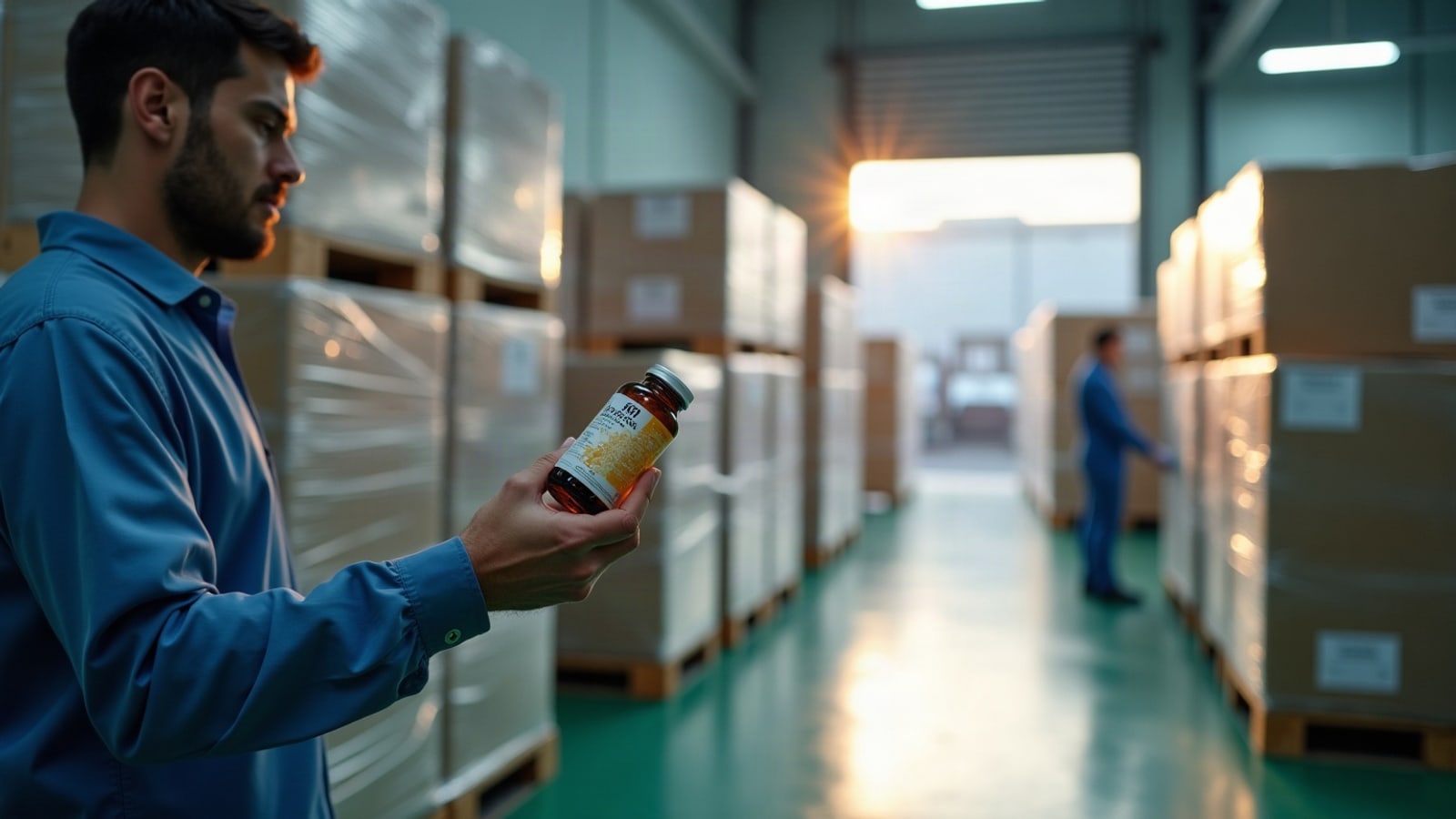

Under the FDA Food Safety Modernization Act, the entity that puts a dietary supplement on the U.S. market — the brand owner, not necessarily the factory — holds the legal duty to verify that the ingredients and finished product it sells are what the label says and were made safely. Hiring a contract manufacturer changes who performs the physical work. It does not change who the FDA holds accountable if something goes wrong. That distinction trips up a lot of brand owners who assume a signed manufacturing agreement transfers all regulatory risk downstream.
FSMA's supplier-verification framework, built out under the Foreign Supplier Verification Program and the broader preventive-controls rules in 21 CFR Part 117, was written mainly with food manufacturers in mind, but the underlying logic applies directly to how supplement brands should treat their supply chain: know your supplier, understand the hazards in what they're providing, and verify — with documentation — that controls are actually working. For a supplement brand, that means verifying not just the contract manufacturer's cGMP status but also the raw-material suppliers further upstream, since an unverified botanical extract or a mislabeled excipient becomes the brand's problem the moment it reaches a consumer.
So what does the brand owner actually still own after outsourcing? First, ingredient and supplier approval. Even if the manufacturer sources raw materials on the brand's behalf, someone has to have looked at identity testing methods, country of origin, and any known adulteration risks for that ingredient class before it's approved for use. Second, ongoing verification activity — not a one-time check at contract signing, but a plan for periodic re-verification, whether that's reviewing updated certificates of analysis, requesting audit reports, or commissioning independent testing on a sampling basis. Third, a documented hazard assessment for the finished product category, which should already exist inside the manufacturer's HACCP or food-safety plan but which the brand owner is entitled to review and should keep on file. Fourth, corrective-action follow-through: if a supplier fails a spec or an audit turns up a gap, someone has to show what was done about it, not just that it was noticed. None of this means duplicating the manufacturer's quality system. A competent cGMP facility already runs approved-supplier lists, incoming-material testing, and audit schedules as part of its own compliance obligations under 21 CFR 111. What the brand owner needs is visibility into that system and a paper trail showing they exercised oversight — not blind trust. In practice this looks like: copies of supplier qualification files or summaries, current certificates of analysis for key ingredients, evidence of periodic manufacturer audits (internal or third-party), and a record of any deviation or out-of-spec result along with its disposition. If a brand can't produce at least this much when asked, the fact that a reputable manufacturer made the product doesn't fully close the gap — the brand still has to show it was watching. The division of labor works best when it's explicit rather than assumed. A manufacturing or supply agreement should spell out who qualifies which suppliers, who holds testing responsibility for incoming raw materials versus finished product, how often verification documentation gets shared, and what happens when a deviation occurs. Brand owners bringing a new product to a CDMO should ask to see the supplier-qualification process before their first purchase order, not after an inspection or a customer complaint forces the question. Manufacturers that are used to private-label and multi-brand work generally have this documentation ready to share, because they're building it for their own regulatory file anyway — the brand's ask is really just for a copy. It's also worth remembering that FSMA-style verification duties sit alongside, not instead of, the dietary supplement cGMP requirements in 21 CFR Part 111, which separately obligate manufacturers to establish specifications, test or otherwise verify components, and maintain records proving it happened. The two frameworks reinforce each other: 21 CFR 111 tells the manufacturer what its internal system must do, and the brand owner's verification duty is largely about confirming that system exists and is functioning — not rebuilding it from scratch. Brands selling into Mexico or the broader LATAM market face a parallel expectation from COFEPRIS, which similarly assumes the party registering or marketing a product has visibility into how it was made and what it contains, even when manufacturing is contracted out. The specific document formats differ, but the underlying principle — that outsourcing production doesn't outsource accountability — holds on both sides of the border. The practical takeaway for a brand owner is simple: treat supplier verification as an active, documented habit rather than a box checked at onboarding. Ask for the records. Keep them. Update them. That habit is what actually stands between a brand and liability when an ingredient problem surfaces — not the manufacturing agreement itself.