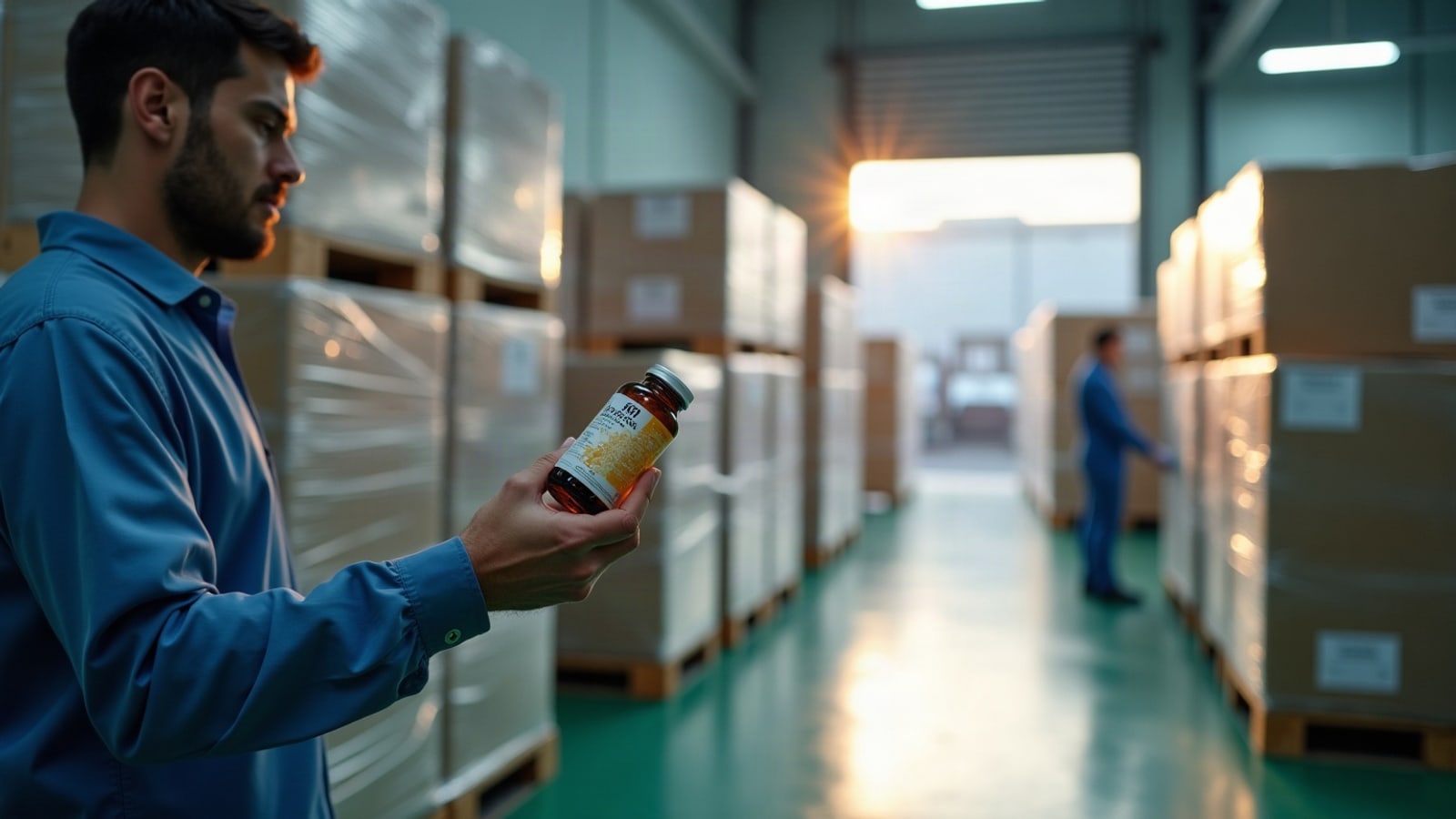

A lot of brand owners assume that once a contract manufacturer takes over production, the manufacturer also takes over regulatory responsibility for the ingredients and facilities behind the product. That assumption is wrong in a specific and consequential way. Under the Food Safety Modernization Act, certain verification duties attach to whoever is legally the importer or the brand placing the product into U.S. commerce — not automatically to the factory doing the work, even when that factory is excellent and fully compliant on its own terms.
The relevant mechanism here is the Foreign Supplier Verification Program, or FSVP. In plain terms, FSVP requires the U.S. importer of a food or ingredient — and dietary ingredients and many finished dietary supplement components fall under this umbrella — to verify that the foreign supplier is producing that item under preventive controls at least as protective as what FDA would require domestically. If your capsules, powders, or raw materials are coming out of a facility in Mexico, someone on the U.S. side has to be able to show they checked.
The tricky part is that FDA doesn't let a brand simply assume the manufacturer's quality team has this covered. The regulation asks a specific legal question: who is the importer of record for this shipment, and has that party formally determined its FSVP obligations in writing? In many supplement supply chains, that party is the brand itself or a designated U.S. agent working on the brand's behalf — not the manufacturer, even though the manufacturer may handle logistics, customs paperwork, or even hold the import license for convenience. If nobody at the brand has sat down and documented who holds this designation, that gap itself is a finding waiting to happen.
In practice, the duty looks like an ongoing cycle rather than a one-time checkbox. It starts with a hazard analysis of the ingredient or product — what could reasonably go wrong, chemically, microbiologically, or physically. It continues with supplier approval criteria the brand sets for itself, verification activities proportional to the risk (this can mean periodic audits, incoming testing, or review of the supplier's own food safety records), and reassessment whenever something changes — a new ingredient source, a formulation tweak, or a finding from an audit.
A capable contract manufacturer makes this verification possible, but it does not perform it on the brand's behalf. The manufacturer's job is to produce and share the evidence: certificates of analysis, hazard analyses for the ingredients it sources, results from its own supplier audits, facility registration status, and cGMP compliance documentation. A brand that receives all of that and simply files it away has evidence but not verification. Verification means the brand reviewed it, decided it was adequate, documented that decision, and set a schedule for checking again.
The records that actually demonstrate this work happened are specific and FDA will ask for them by name during an import-related inspection or review. They include a written FSVP covering each applicable supplier, documented hazard analyses, the criteria used to approve and continue approving a supplier, records of the verification activities actually performed (not just a statement that they occurred), corrective action documentation for anything that fell short, and dated reassessment notes showing the file gets revisited rather than created once and forgotten.
The consequence of a gap here isn't abstract. Missing or inadequate FSVP documentation can hold a shipment at the border, trigger a warning letter, or in repeated or serious cases lead to an import alert that stops future shipments from a given supplier until the brand can demonstrate the program is fixed. None of that is solved quickly, and all of it is avoidable with a file that's kept current rather than assembled under pressure after a problem surfaces.
The practical takeaway for any brand working with a manufacturer, including one with a strong compliance record, is to treat supplier verification as something the brand owns and maintains in-house, continuously, using documentation the manufacturer provides as the raw material rather than the finished product. A good manufacturer will hand over what's needed without friction. But no manufacturer, however good, can sign your FSVP for you.