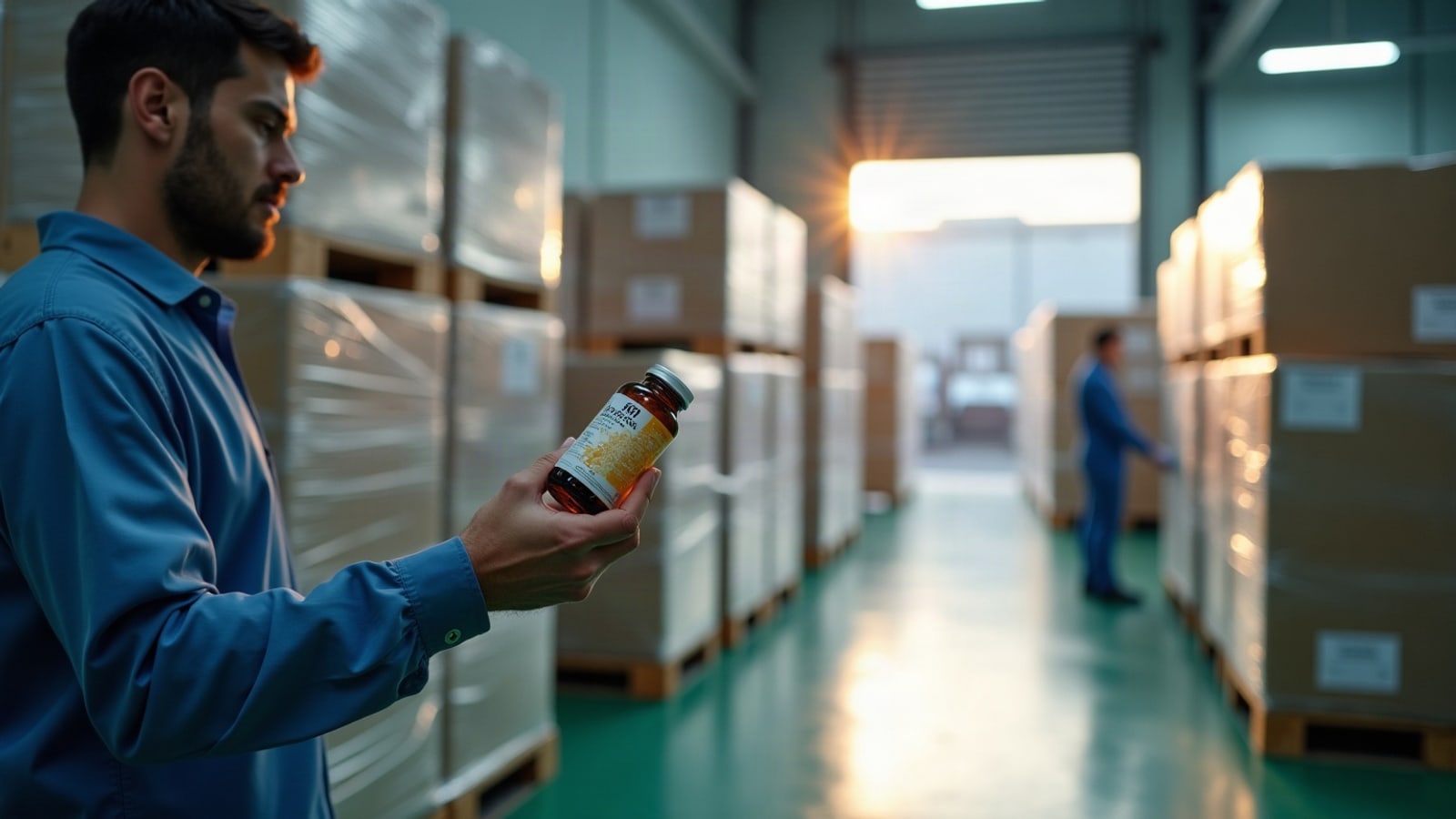

Brand owners who move production to a contract manufacturer often assume the manufacturer's cGMP program covers everything the law requires of "the supply chain." It covers a lot, but not all of it, and not automatically in the brand's name. Under the Food Safety Modernization Act, verification of suppliers is a documented, ongoing duty, and pieces of it can land on the brand owner even when someone else is running the equipment.
Start with what doesn't change. The company whose name is on the label is generally the one the FDA holds responsible for the finished product meeting identity, purity, strength, and composition claims, and for the product being manufactured under current good manufacturing practice. A signed manufacturing agreement with a contract manufacturer does not transfer that responsibility away; it distributes the work of meeting it. If a batch is later found adulterated or misbranded, "our manufacturer handled that" is not a defense on its own — the brand still needs to show it exercised reasonable diligence in selecting and monitoring that manufacturer.
Within the dietary supplement cGMP regulation (21 CFR Part 111), the entity that actually manufactures, packages, labels, or holds the product is required to establish specifications for components, in-process materials, and finished products, and to verify that suppliers of those components meet them — typically through incoming identity testing, supplier qualification, or a documented reliance on a supplier's own certificate of analysis. A competent contract manufacturer already runs this program for the raw materials it sources. That is real coverage, but it's the manufacturer's program, built to satisfy the manufacturer's own regulatory obligations. It is not a substitute for the brand owner's separate duty to verify that the manufacturer itself is a qualified, compliant supplier of finished goods.
That second duty is where FSMA's supplier verification concepts apply most directly to a brand owner. If any component of the product, or the finished product itself, crosses into the U.S. from a foreign facility, the U.S. party bringing it in generally takes on importer-level responsibilities, which can include the kind of foreign supplier verification obligations FSMA built for the broader food supply chain. Even when a program isn't triggered in its full form, its logic is the sensible baseline: know who is making your product, confirm they are legitimately registered and operating under the applicable manufacturing standard, and keep evidence of both. So what does a brand owner still own, in practical terms? Four things. First, supplier selection: a documented basis for choosing this manufacturer, not just a quote and a handshake — facility registration status, prior audit history, and a look at how the facility handles component testing and complaint investigation. Second, ongoing monitoring: periodic re-review of that manufacturer's compliance standing, not a one-time check at onboarding. Third, specification agreement: a written, mutually understood set of specifications for the finished product, so both parties can point to the same definition of "in spec." Fourth, complaint and recall coordination: a documented understanding of who investigates what, and how quickly, if a product problem surfaces after distribution. The records that prove this happened are not exotic. A supplier qualification file with the manufacturer's registration number and cGMP status. Notes or a report from a facility visit or audit, even an informal one, dated and kept. The manufacturing or quality agreement itself, spelling out specifications and testing responsibilities. Certificates of analysis for finished batches, retained and matched against the agreed specification, not just filed unread. A short log of any product complaints and how they were resolved. None of this needs to be elaborate, but it needs to exist, be dated, and be retrievable — a verbal assurance from a sales rep is not a record. The duty is genuinely shared, and that's the useful way to think about it rather than as a handoff. The manufacturer verifies its raw material and packaging suppliers because the cGMP regulation requires it to, and a manufacturer worth working with will show you that program without being asked twice. The brand owner verifies the manufacturer, because no regulation lets that step be skipped just because production happens somewhere else. Where the lines blur — private-label arrangements, co-packing of a brand's own proprietary blend, importation of a finished product made abroad — is exactly where brand owners get caught without records, usually discovered only when an FDA inspection, a retailer audit, or a legal dispute asks for them. Building the file before it's requested is the entire difference between a quick response and a scramble.