
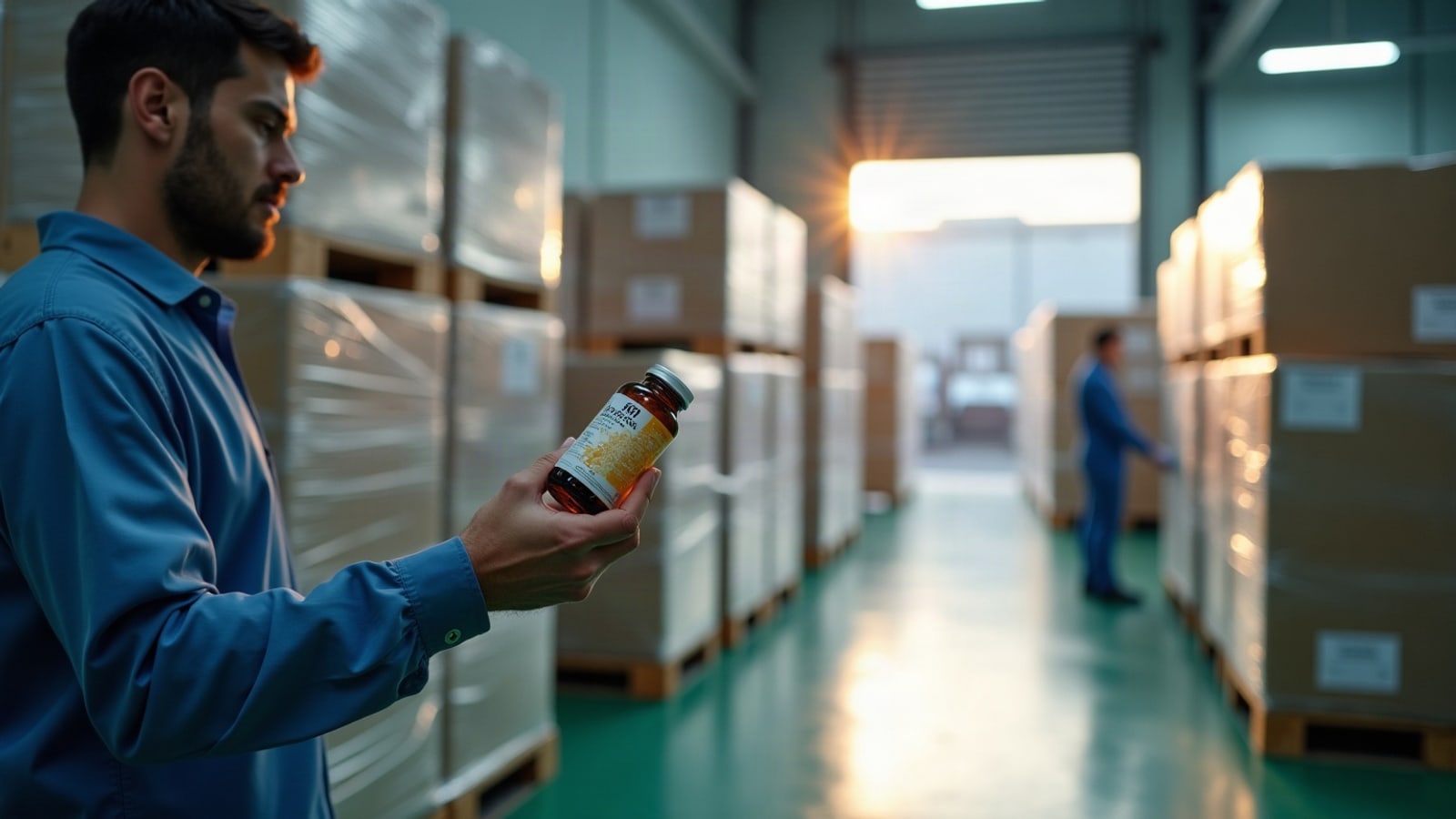
A lot of brand owners sign a manufacturing agreement and quietly assume the compliance burden moved with it. It didn't, at least not entirely. Under the FDA's food safety framework — which includes the Foreign Supplier Verification Program (FSVP) for anything crossing a border and the broader preventive-controls logic that runs through FSMA — the party that brings a product to the U.S. market keeps a defined set of obligations, even when someone else is running the equipment. For brands working with a manufacturer based in Mexico and distributing through a U.S. point of entry, that distinction matters more, not less, because the brand is often the importer of record for FSVP purposes.
The basic idea behind supplier verification is simple: you can't outsource your judgment. FDA expects the company putting its name on the label to have actively evaluated whether its supplier — the manufacturer, the ingredient vendor, whoever is upstream — can consistently produce a safe, compliant product. That evaluation isn't a one-time gut check before signing a contract. It's an ongoing duty that includes selecting a supplier based on real risk factors, confirming the supplier's food safety and quality systems are adequate for what's being made, and re-checking that assumption periodically rather than assuming nothing has changed.
What does 'verification' actually look like in practice? It usually includes reviewing the manufacturer's facility registration status, requesting and reading audit reports (third-party or FDA), evaluating the manufacturer's own hazard analysis and preventive controls plan where applicable, and reviewing certificates of analysis against your own specifications rather than filing them unread. For higher-risk ingredients or novel processes, it can mean requesting on-site or remote audits, sample testing at an independent lab, or a written corrective-action process if a nonconformance shows up. None of this requires the brand to re-run the manufacturer's quality program — it requires proof that the brand looked, understood what it saw, and acted on it.
This is where the duty splits sensibly between the two parties. A compliant contract manufacturer's job is to run a facility that meets cGMP requirements under 21 CFR Part 111 for supplements, keep its own records in order, and be transparent when a brand asks for documentation — registration numbers, audit history, testing data, specification sheets. The brand's job is to actually ask for that material, read it, keep it, and refresh it on a schedule rather than letting a three-year-old audit report stand in for current oversight. A manufacturer can hand over everything needed to demonstrate compliance; it cannot force a brand to open the file. FDA has been consistent that the burden of proving verification happened sits with the company that owns the label, regardless of how well the manufacturing side performed.
The records that actually satisfy this duty are less exotic than people expect. A basic supplier file should include the signed manufacturing agreement or quality agreement, evidence of the facility's FDA registration, the most recent audit report and any corrective actions tied to it, a log of certificates of analysis reviewed against your specifications (not just received), and dated notes on when the relationship was last reassessed. If a regulator asks how you know your manufacturer is capable of making a safe product, this file is the answer. If the file doesn't exist, or exists only as a folder of unopened PDFs, that gap becomes the finding — even if the manufacturer's own operation is spotless.
It's worth being honest about where this leaves a brand owner: verification is a real cost of doing business in supplements, not paperwork theater. It takes time to request documents, read them critically, and keep them current. But the alternative — treating a signed contract as the end of due diligence — is the scenario that leaves brands exposed when something goes wrong, whether that's a contamination event, a labeling dispute, or a routine inspection that simply asks for proof of a process the brand assumed was someone else's problem. The manufacturer's compliance and the brand's verification are two separate obligations that happen to protect the same product. Treating them as one and the same is the mistake worth avoiding.