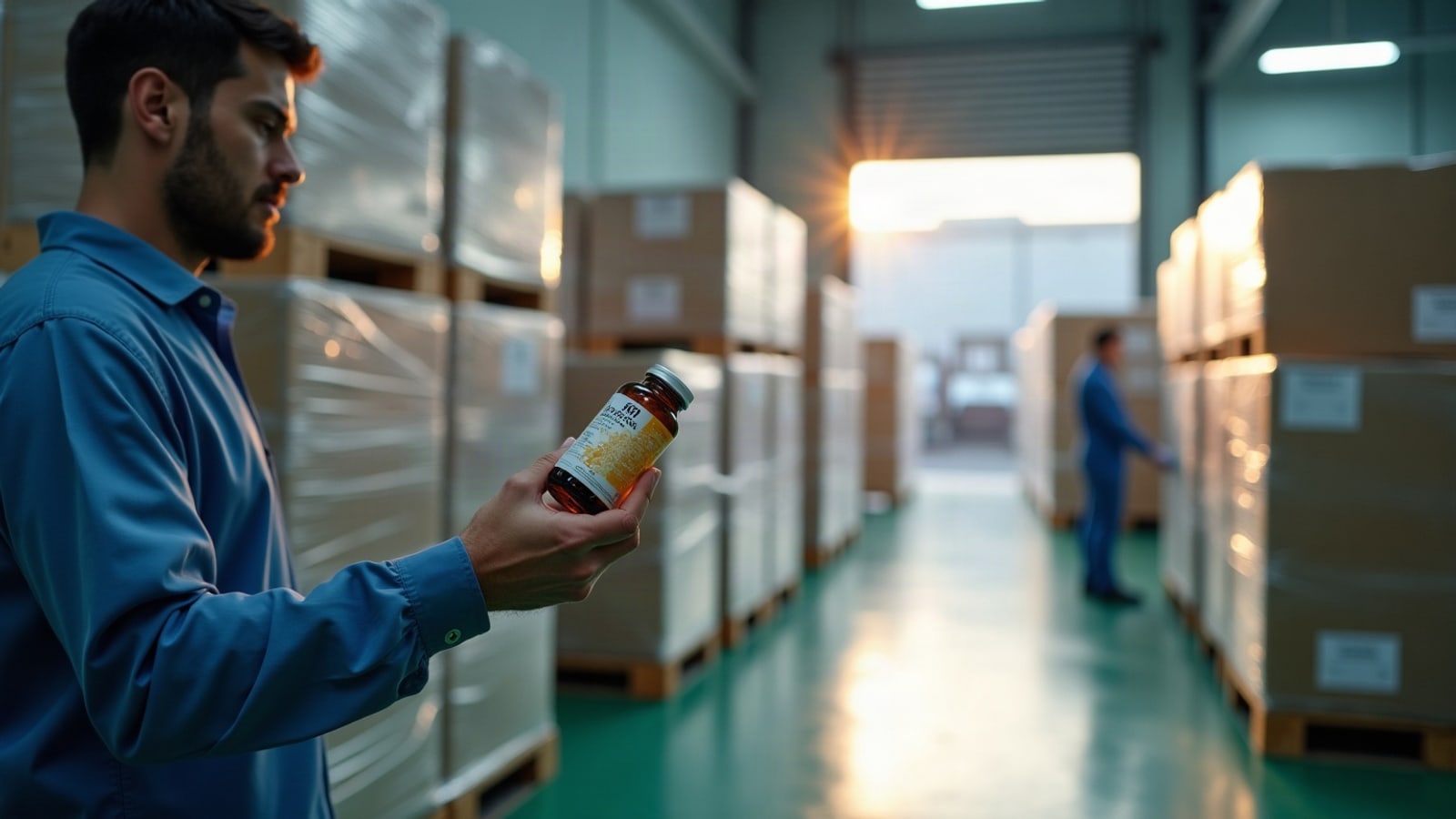

Handing production to a contract manufacturer changes who runs the equipment. It doesn't change who is accountable for the safety of what ends up on a shelf under your name. Under FSMA's preventive controls framework, a brand that introduces a product into commerce keeps a standing duty to verify that the people and ingredients in its supply chain are controlling the hazards they're responsible for controlling. That duty doesn't get satisfied by a handshake or a glossy facility tour. It gets satisfied by picking an appropriate verification activity, doing it, and keeping the paper trail that proves it happened.
The starting point is hazard analysis. Before a brand can decide how to verify a supplier, it needs a reasonably clear picture of what hazards that supplier is actually responsible for controlling — a raw material vendor might be the one controlling a heavy metal or microbiological risk at the source, while a contract manufacturer might be the one controlling cross-contact, potency, or stability through its process. Once that's mapped, FSMA doesn't force a single method of verification on everyone. It offers a menu: an onsite audit, sampling and testing of the ingredient or finished product, a documented review of the supplier's relevant food and quality safety records, or another activity judged appropriate given the circumstances.
What actually decides which activity fits
The choice isn't a matter of convenience or budget alone, and an inspector reviewing a file will expect to see reasoning behind it. Hazards that could plausibly cause serious illness generally call for a more rigorous activity, such as an onsite audit, especially the first time a brand works with a given supplier. A supplier with a long, clean compliance history and strong documentation may reasonably be verified through record review once that history is established. A supplier already operating under an applicable FDA manufacturing regulation is a relevant data point, but it is not, by itself, a substitute for the brand's own verification decision — relying on someone else's cGMP status without documenting why that was judged sufficient is exactly the kind of gap that shows up during an inspection.
What proves the duty was met is less about any single document and more about a connected file: a written supplier approval procedure explaining how suppliers get on (and stay on) an approved list, a record of which verification activity was chosen for each supplier and the reasoning behind that choice, evidence the activity was actually carried out — an audit report, test results, or notes from a records review — and a record of what happened when a supplier fell short, including any corrective action and whether it was confirmed. A file with an approved supplier list but nothing showing why each supplier landed there, or an audit report from three years ago with nothing since, reads the same way to an inspector: unfinished. ## How the duty splits between brand and manufacturer A contract manufacturer's job is to run its own internal program — its own raw material vendor qualification, its own in-process controls, its own quality release decisions — and to generate the records that document that work. A brand's job is different and doesn't disappear just because a manufacturer is doing good work on its own side. The brand still needs its own file showing it looked at its supply chain with open eyes, made a documented decision about how to verify each link in it, and followed through. One party's recordkeeping does not stand in for the other's; a strong manufacturer quality system makes verification easier to complete, but it doesn't complete it.
When the manufacturing site sits outside the United States, as is common for brands working with Mexico-based facilities, an additional layer applies through the Foreign Supplier Verification Program for importers, which runs alongside — not instead of — ordinary supplier verification obligations. The paperwork expectations grow, not shrink, once a border is involved.
A full-service contract manufacturer can make this easier by being transparent: giving a brand access to audit findings, specifications, certificates of analysis, and change notifications that feed directly into the brand's own file. But assembling and maintaining that file — deciding what's appropriate, doing it, and refreshing it on a schedule, especially after a complaint, a recall elsewhere in the supply chain, or a formulation change — stays the brand's job. It's the kind of responsibility that outsourcing production was never designed to absorb.