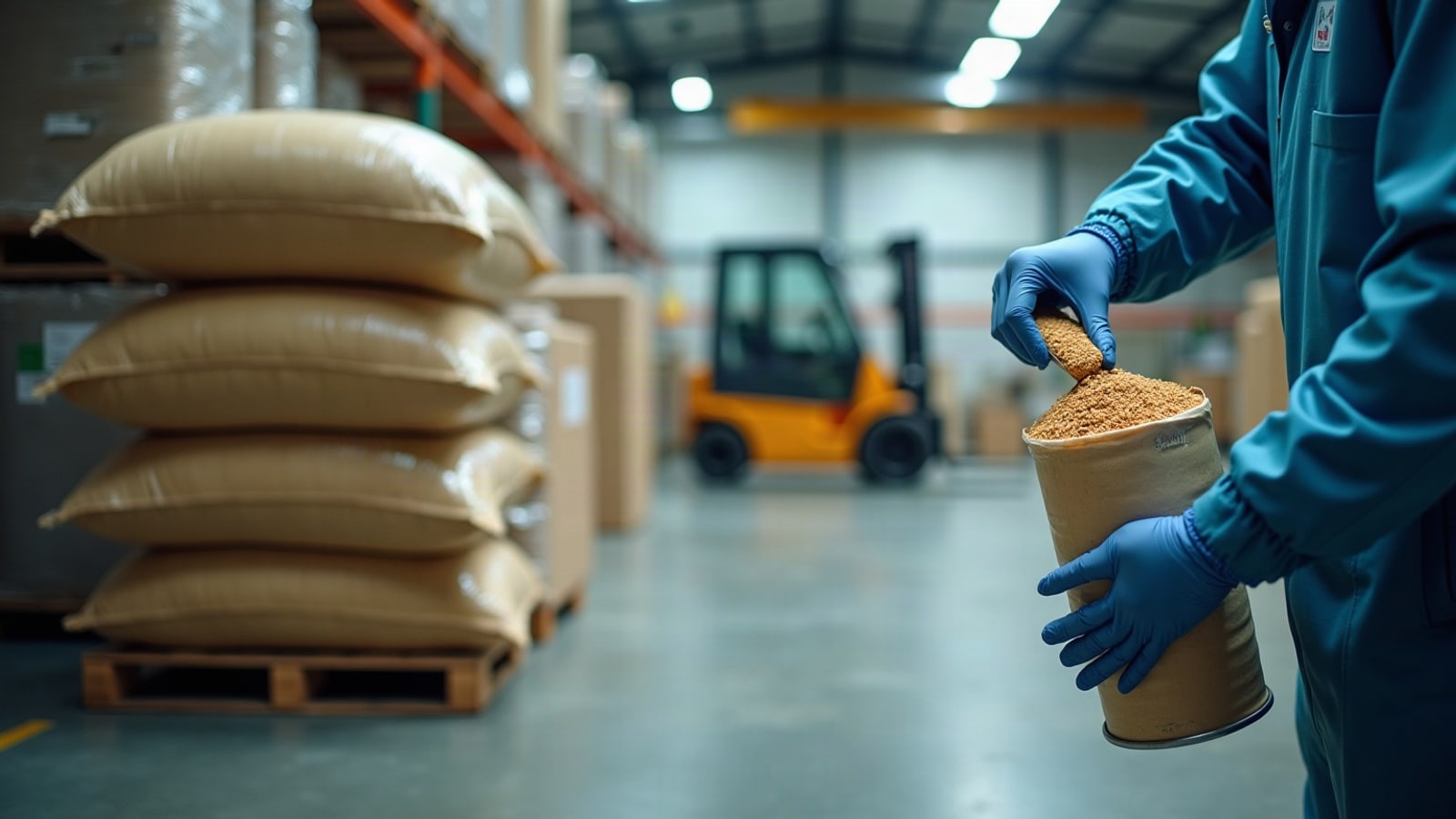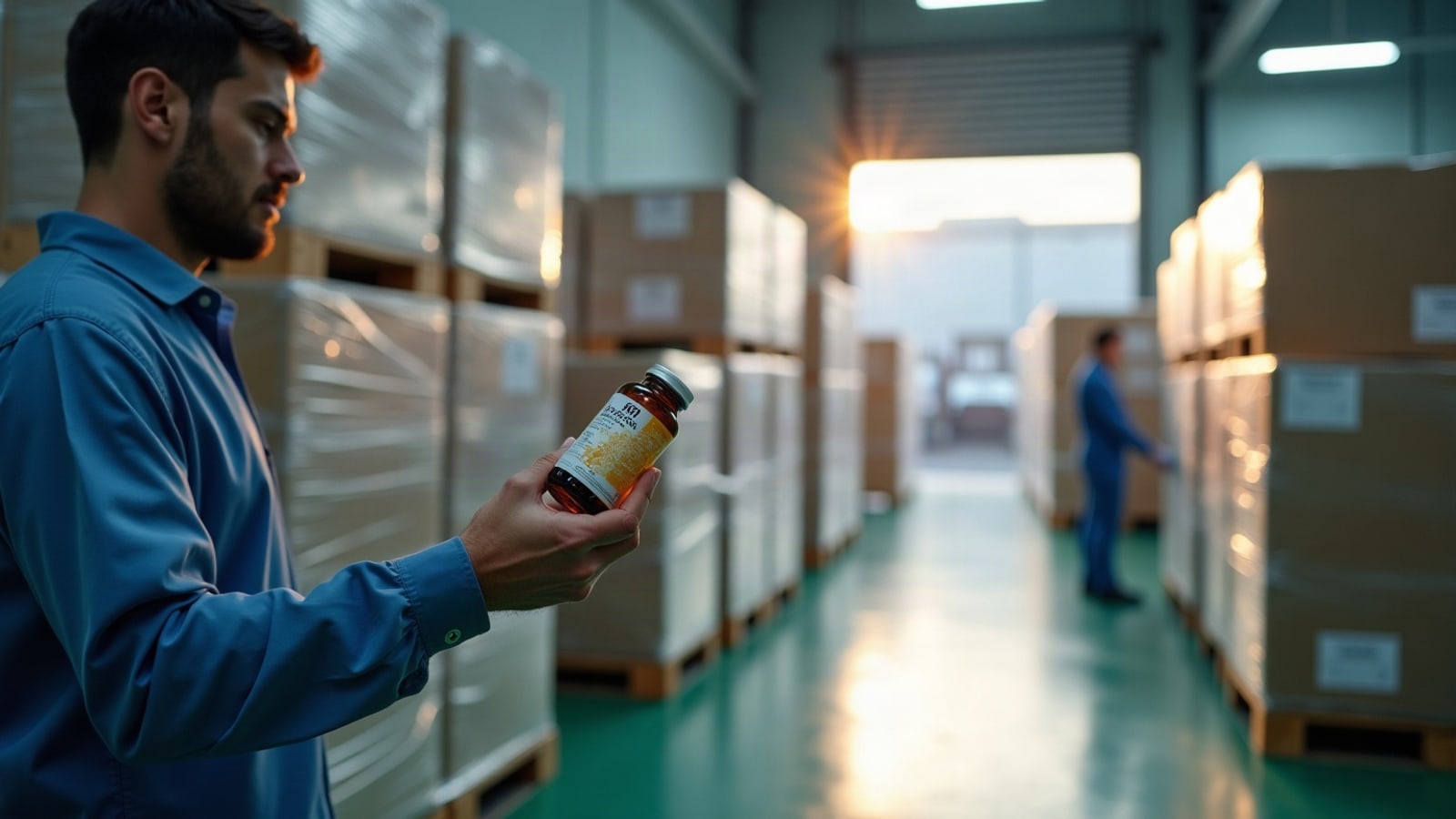


Brand owners who have only launched in the United States are often surprised by how different the on-ramp looks in Mexico. In the US, a dietary supplement can generally go to market without any agency filing on the product itself — the manufacturer registers its facility, follows cGMP under 21 CFR 111, and self-affirms that ingredients and claims are lawful. In Mexico, supplements (suplementos alimenticios) sit inside a more document-driven system overseen by COFEPRIS, the federal sanitary authority, and a product typically cannot move into commercial distribution until the required sanitary filings and facility notices are in place.
The first thing to understand is classification. COFEPRIS treats suplementos alimenticios as a food category, distinct from herbal remedies and from drugs, and the classification a product falls into determines which filing pathway applies and how strict the review will be. A straightforward vitamin, mineral, or protein blend is handled differently than a botanical extract, and a product formulated at doses that resemble a therapeutic drug can be pulled into an entirely different, more demanding track. Getting this classification right at the start avoids months of rework later, and it's usually worth confirming with a regulatory specialist or directly with COFEPRIS guidance before finalizing a formula.
Once classification is settled, the sanitary file itself generally needs to show, in detail, what the product is and how it is controlled. That means a full qualitative and quantitative formula, not just the marketing-facing Supplement Facts panel; documentation on each ingredient's identity, source, and safety, with extra scrutiny for botanicals, since Mexico maintains reference lists of herbs recognized for use in supplements along with limits on how they can be used; a description of the manufacturing process and evidence that the facility making the product operates under recognized good manufacturing practice; and analytical specifications and certificates of analysis that back up label claims for potency and purity. Label artwork has to be reviewed against NOM-051, the Mexican official standard governing labeling of prepackaged foods and non-alcoholic beverages, which controls everything from the nutrition declaration format to what claims and warning statements are permitted and where they must appear.
A piece that trips up first-time exporters is who actually holds the filing. Mexican sanitary regulation generally requires a party with a legal domicile in Mexico — a local entity, importer of record, or distributor — to be the one that files the notices and stands behind the product to the authority, along with a designated responsible sanitary official (responsable sanitario) who signs off on compliance. A US brand without a Mexican legal presence typically needs to work through a local partner, importer, or manufacturing affiliate to satisfy this requirement; it is not something that can be handled purely from a US address. The manufacturing facility itself also needs its own sanitary notice on file (an Aviso de Funcionamiento) confirming it is authorized to produce the category of product involved.
The contrast with a US launch is really a contrast in when the government looks at the product. In the US, FDA's posture is largely post-market: no one approves your formula before it ships, but the burden falls entirely on the brand owner to have already verified that ingredients are legal (including filing a New Dietary Ingredient notification where one is required) and that labeling meets 21 CFR 101, with enforcement happening after the fact if something is wrong. In Mexico, more of that verification work happens on paper, in front of the authority, before commercial sale — which front-loads the compliance effort but can also mean fewer surprises once the product is already on shelves. Practically, this means the file-building process should start early, in parallel with formulation rather than after it's finalized. Ingredient choices, especially botanicals or anything at the edge of permitted dose ranges, should be checked against Mexican reference lists before a formula is locked, because a swap late in development can mean re-doing label artwork and re-filing. Brands working with a manufacturer that already operates in both the US and Mexico have an advantage here, since the facility documentation, quality specifications, and label review can be handled as one coordinated file rather than two disconnected efforts built by different teams on different timelines.
None of this replaces qualified regulatory counsel — COFEPRIS requirements are detailed, change over time, and vary by exact product type, so the specifics should always be confirmed against current official guidance or with someone who files these dossiers regularly. But understanding the shape of the file — formula, ingredient safety, manufacturing evidence, compliant labeling, and a Mexican legal entity to hold it all — makes it much easier to plan a realistic timeline for a LATAM launch instead of assuming the US playbook simply carries over.